General News
How social media algorithms really understand your content
Ever wondered how social platforms actually decide who sees your content? Hashtags used to be the go-to tool for getting discovered, but platforms continuously evolve and change the way your content is categorised and delivered.
Ever wondered how social platforms actually decide who sees your content?
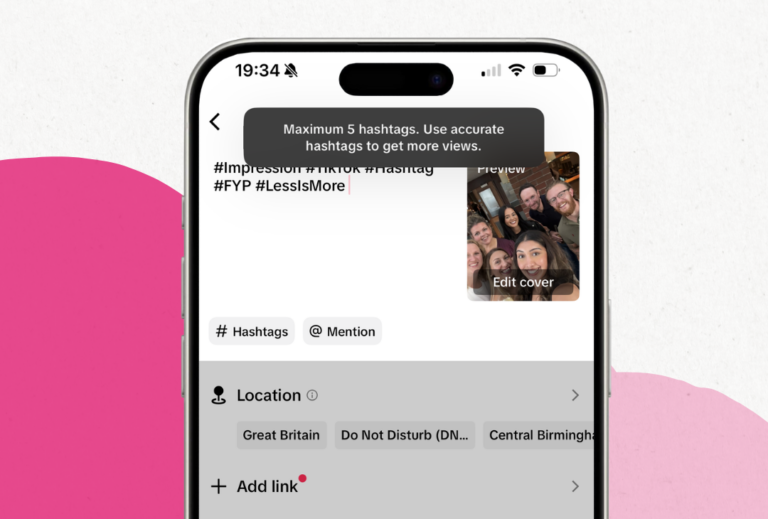
Hashtags used to be the go-to tool for getting discovered, but platforms continuously evolve and change the way your content is categorised and delivered.
Our algorithms now rely on a range of signals to understand what your content is about – and more importantly, who it should be shown to.
Keywords and clarity
Hashtags haven’t completely disappeared, but they’re no longer the key to content discovery. Social platforms now look at your content as a whole, using its context to figure out what it’s about. To do this, they look at:
- Captions
- On-screen text
- Audio
These elements help platforms categorise your content more accurately. It’s no longer about adding more tags, but making your content easier to understand.
Algorithms follow behaviour
Signals and keywords help platforms understand what your content is about, but user behaviour tells them whether it’s worth sharing. This is where engagement becomes key.
Metrics signal that your content is valuable, which include:
- Watch time
- Replays
- Shares
- Saves
If users watch your full video or share it with others, this algorithm sees this as a strong indicator of quality. Content that resonates with specific audiences will always outperform content that tries to appeal to everyone.
What does this mean for your content strategy?
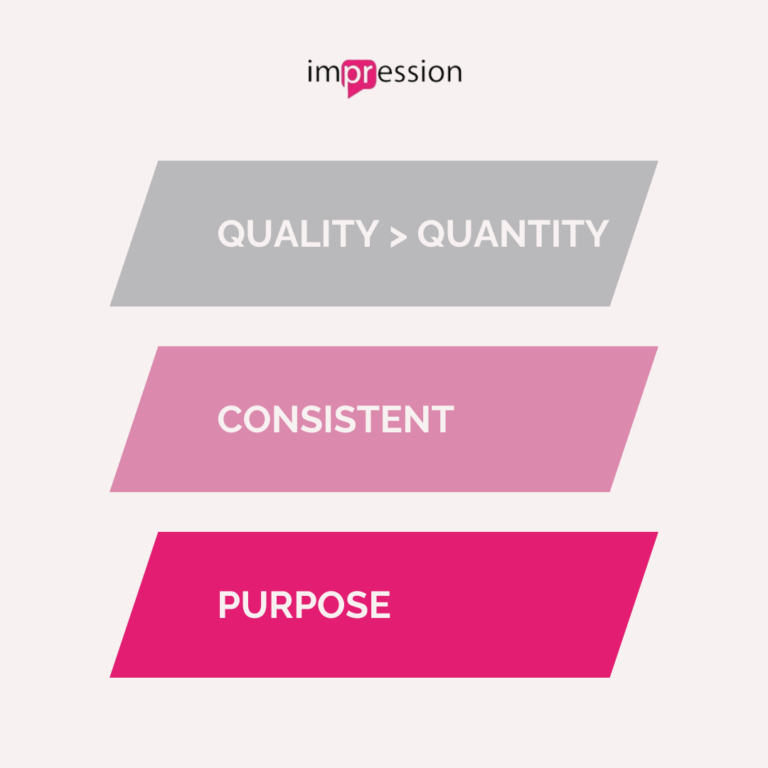
It’s time to shift your focus.
Think about how clearly your content communicates its message. Use natural, descriptive captions, reinforce your message with on-screen text and create content that encourages genuine engagement.
When you get this right, you’re not just working with the algorithm – you’re working with your audience.
Want to improve your social strategy? Let’s have a chat!